R & D ACTIVITIES

R & D ACTIVITIES

UNOVA has been involved in many product design and development projects with the R&D and design teams of main contractor companies. Company continues its business life as a SOLUTION PARTNER for different sectors and products by the help of knowledge and experience gained.

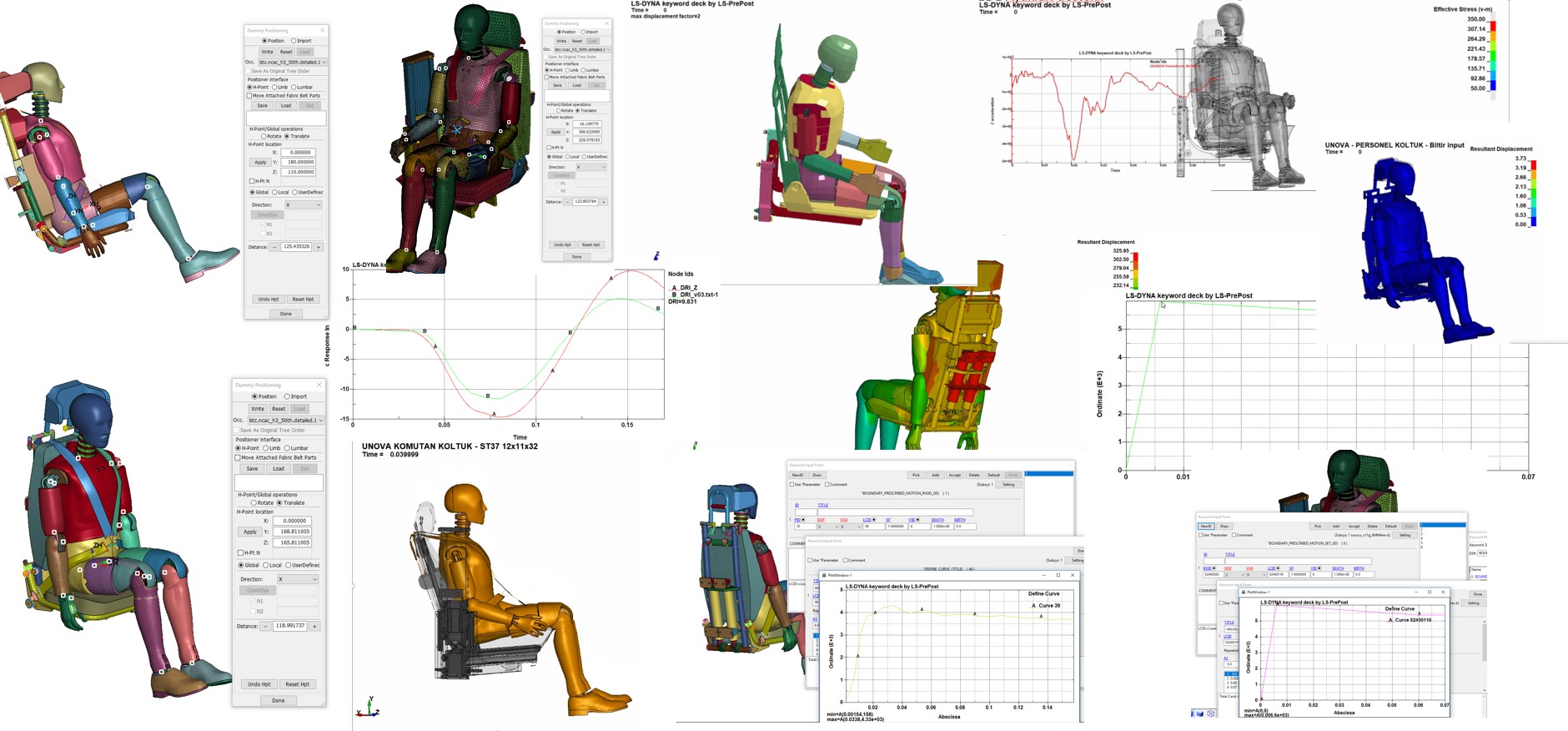
ANALYSIS AND TEST

ANALYSIS and Test

VEHICLE PACKAGE LAYOUT & HUMAN FACTOR ENGINEERING

VEHICLE PACKAGE LAYOUT & HUMAN FACTOR ENGINEERING

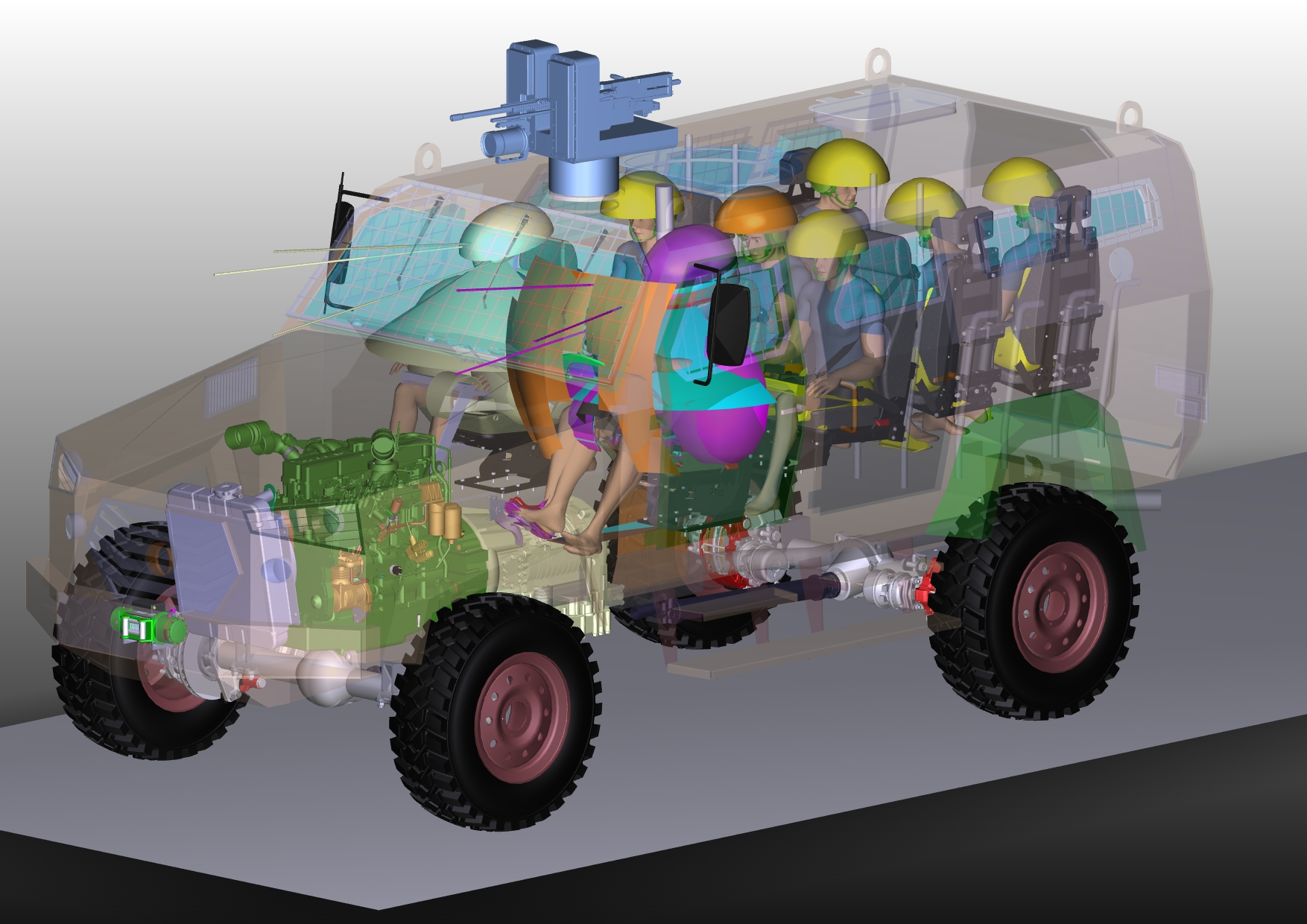
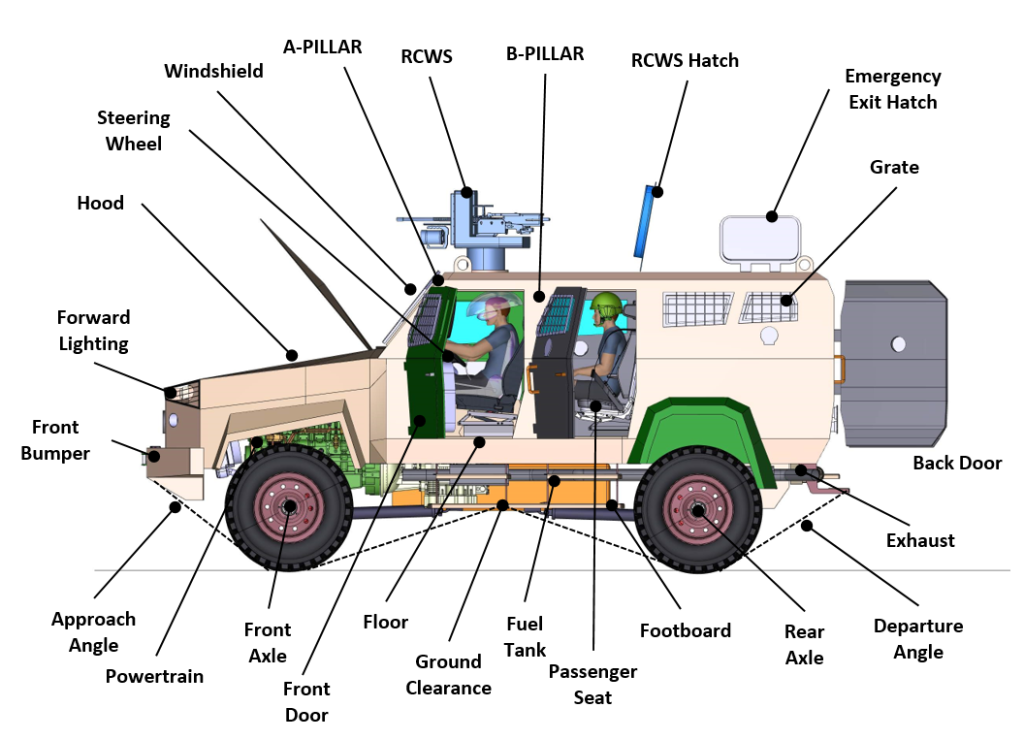
VEHICLE PACKAGING ANATOMY​

  • Although the elements in the layout will vary from concept to concept, they are basically the same in most vehicles.

    1. Powertrain

    2. Chassis(Suspension, Pedals, sterering)

    3. Electrical Elements

    4. Body
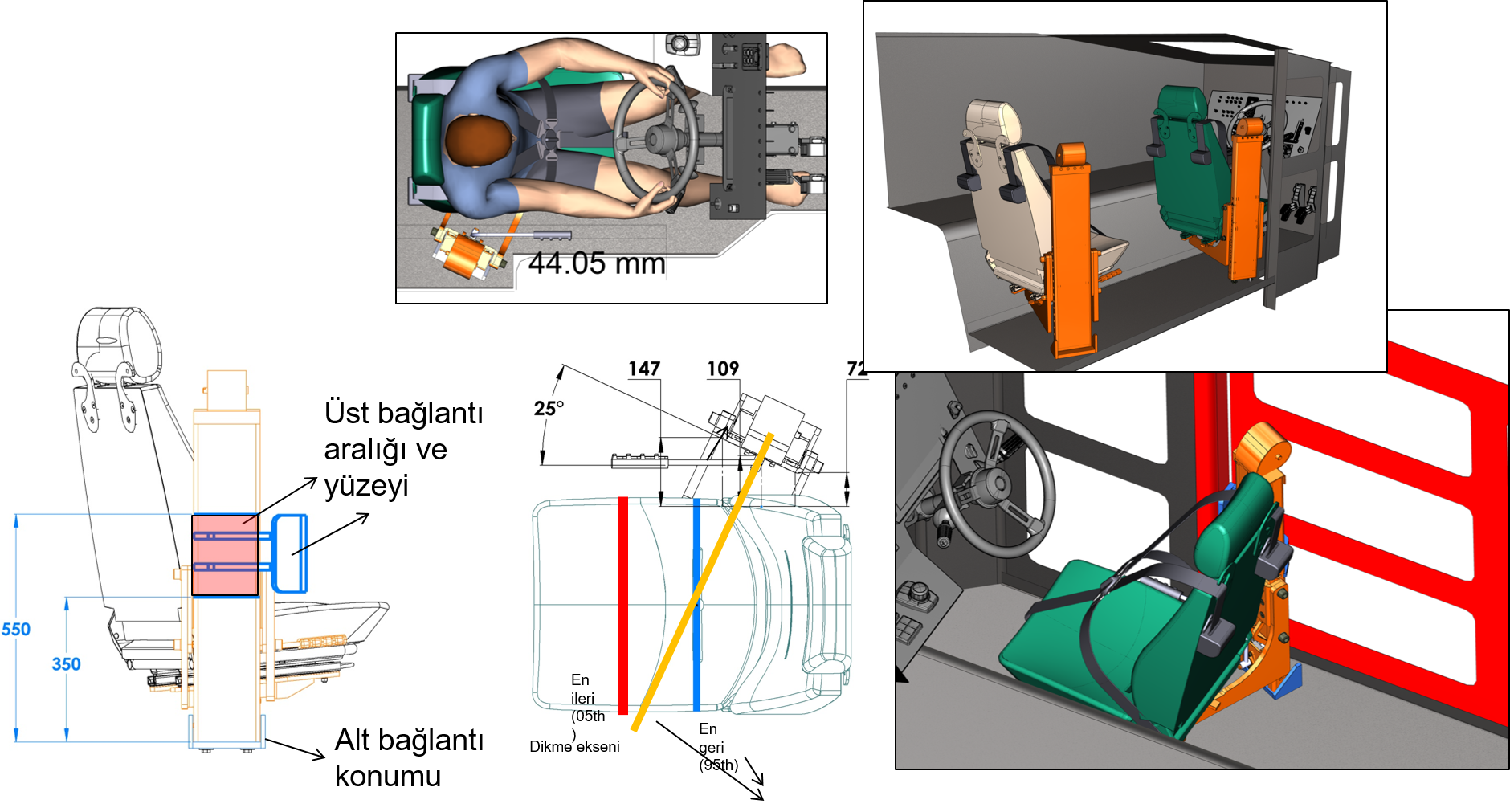
  • Driver seating height and position is one of the steps taken at the very beginning of the design process.

  • The targeted vehicle concept is the main determining factor here.

  • In the entire design process, from the creation of trim (interior-exterior) surfaces, the determined driver and passenger positions affect the vehicle structure.

  • The main goal is to design the vehicle to suit the driver, rather than fitting the driver to the vehicle.

WHAT IS THE VEHICLE PACKAGING?

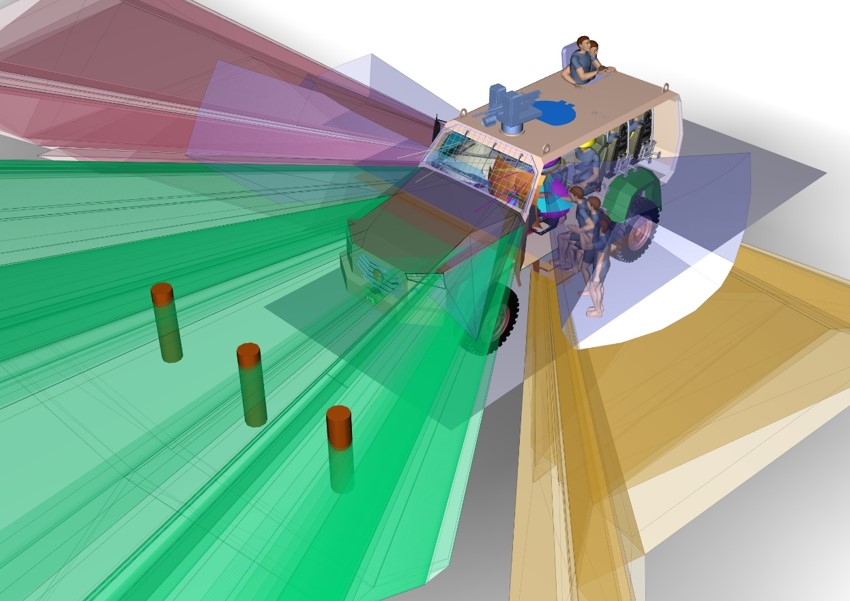
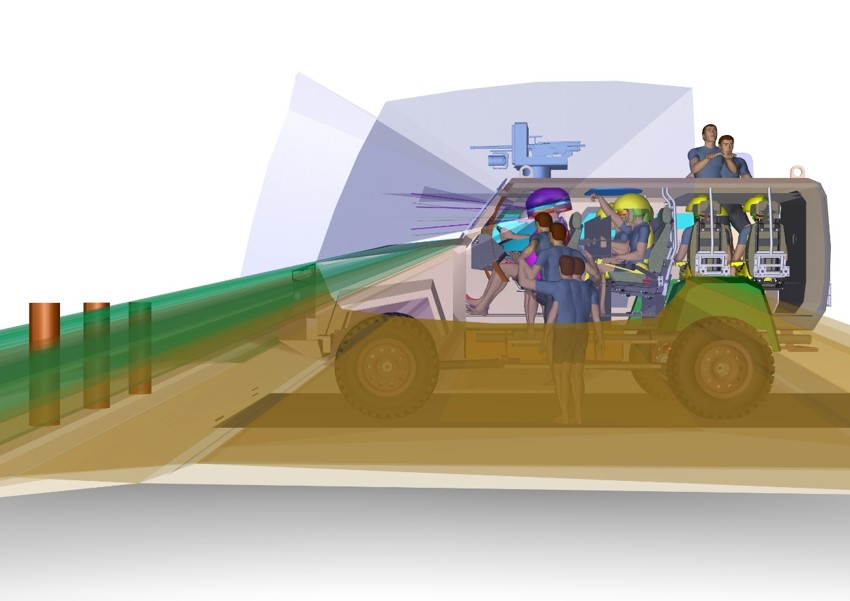
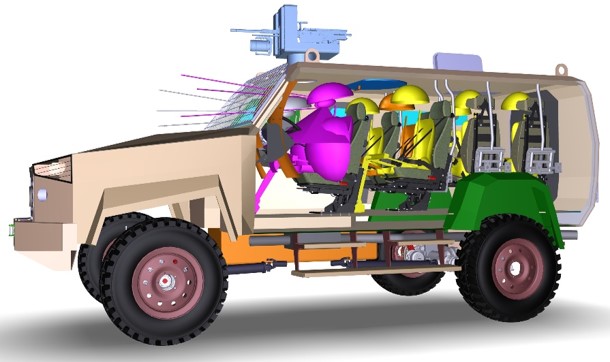
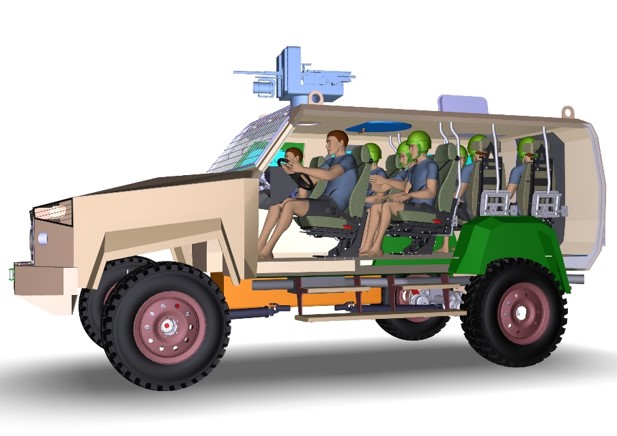
‘Packaging’ is a term used in the auto industry to include vehicle design work (primarily in the form of drawings or CAD models) related to accommodation and positioning of occupants (driver and passengers at the manufacturer’s designated seating positions) in the vehicle space  and in relation to various vehicle components (controls, displays, window openings, powertrain system, clima- control system etc.).

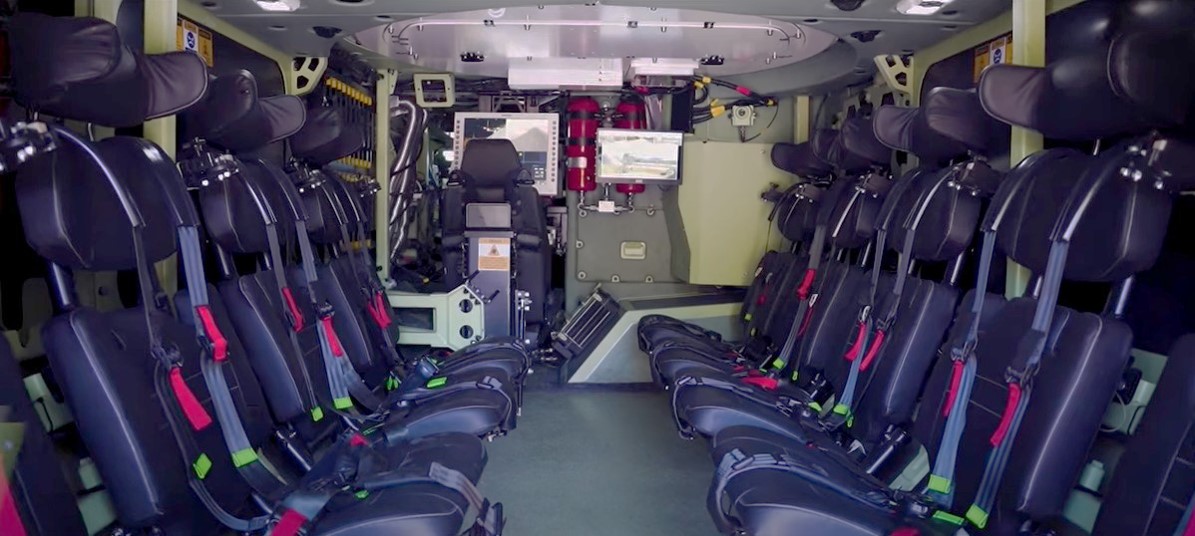
OCCUPANT PACKAGE OR SEATING PACKAGE LAYOUT

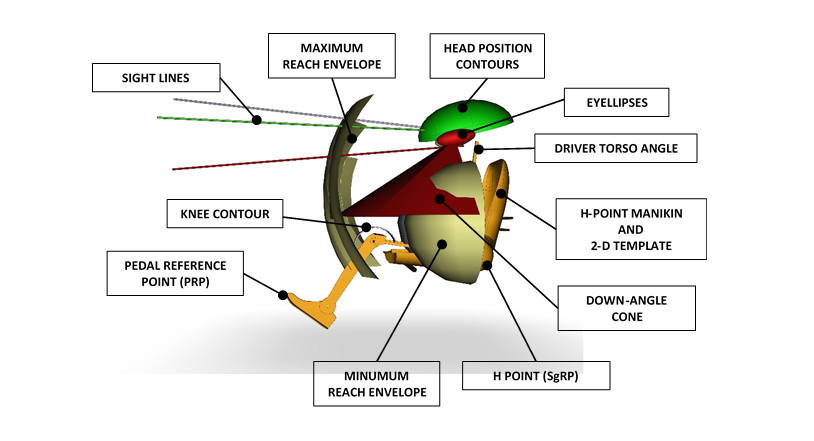
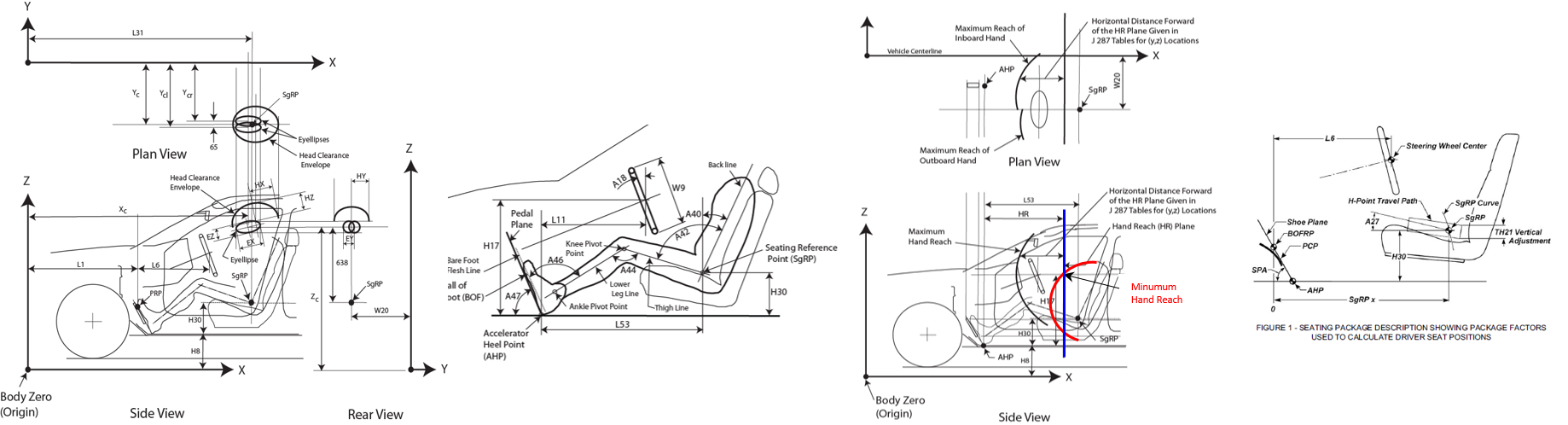
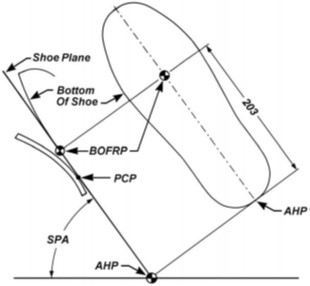
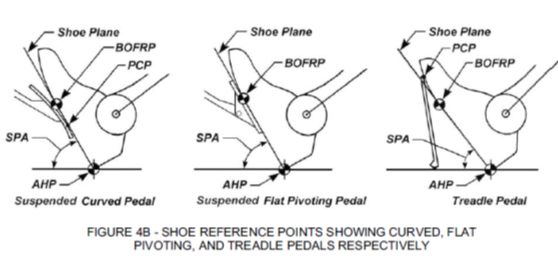
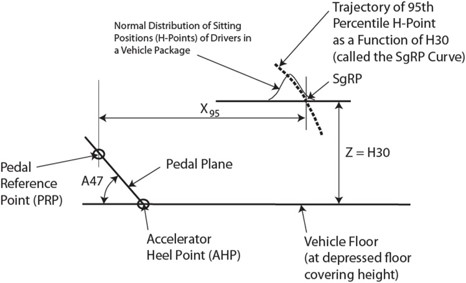
It includes details of the occupant compartment with position of the occupants (key reference points, e.g. AHP, SgRP), manikins occupant packaging contours/zones [generated by using SAE practices], primary vehicle controls (s/w, pedals) and some vehicle body and trim components

PACKAGE DIMENSIONS, REFERANCE POINTS AND SEAT-RELATED DIMENSIONS